Editorial Picks
Live Music Venues That Shaped Hongdae
Four rooms that built the Hongdae indie scene — punk basements, a jazz mainstay, a 20-year cornerstone, an acoustically prized underground. Read as a citywide music-culture picture, not a ranking.
The Hongdae indie scene was not designed. It emerged in the early 1990s from Hongik University's fine arts spillover, the cheap rent that came with being a working-class neighbourhood at the time, and a small group of musicians who needed somewhere to play that did not look like a hotel ballroom. Three decades later, KOCCA and the Mapo-gu Office have repeatedly designated the quadrant a cultural belt, and the live music architecture that grew here has become a referent for the rest of East Asia's indie scenes. The four rooms below are not the cluster's only venues — Hongdae's live music density has cycled through periods of expansion and contraction, and any honest count would put the historical venue list at well over forty. The four featured are the rooms with the most durable editorial coverage, the longest operating histories, and the clearest claim on having shaped what the neighbourhood became. None of this is a ranking. They are four different ways of doing live music in a quadrant that, for thirty years, has been the loudest argument in Korea against the idea that the country's culture is uniformly polished. For international visitors arriving from the medical-tourism belt south of the Han River, the cluster is a 28-minute Line 2 ride east from Gangnam Station — the counterpoint trip, where the lighting drops and the volume goes up. Authority anchors throughout: Time Out Seoul live music coverage and VisitKorea Hongdae cultural belt for the cluster's broader context. A historical aside worth holding onto as you read the list. The Hongdae indie scene's earliest formative period — roughly 1993 to 1999 — produced a generation of Korean rock and punk bands whose names are now permanent fixtures in any honest history of post-1990s Korean popular music; the venues that hosted those early sets were largely converted basements and small bar-style rooms, and a substantial number of them have closed over the past two decades as commercial rents in Mapo-gu rose. The four rooms below survived that transition either by adapting their programming, by occupying premises that the broader Hongdae rent escalation did not reach, or by operating with an institutional structure — a connected recording studio, a jazz academy, a cross-bar revenue model — that buffered them against the live-only economic squeeze. The cluster you can visit today is the durable end of a much larger historical inventory, which is worth holding in mind whenever a Korean retrospective references a Hongdae venue you cannot find on a current map.
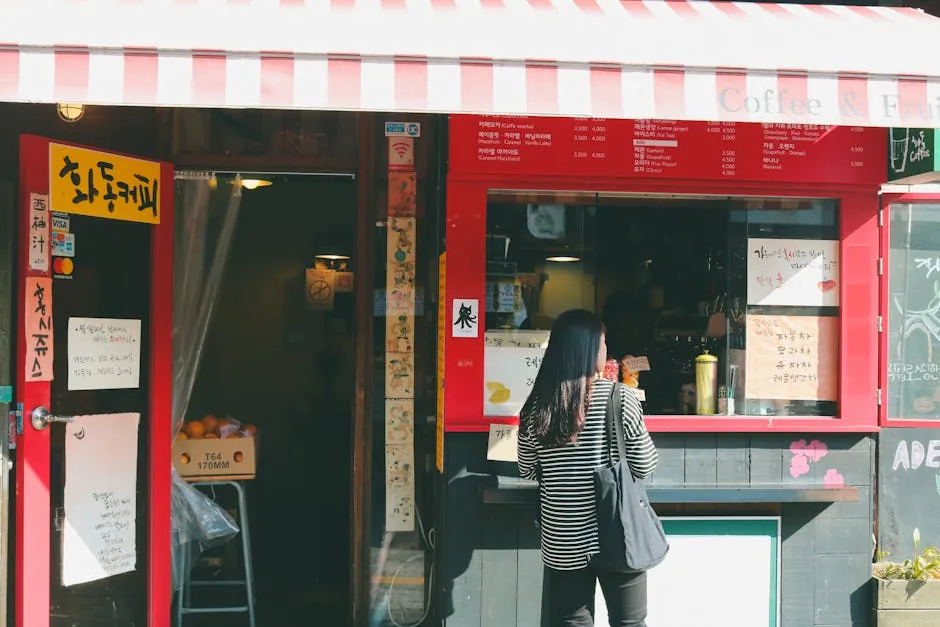
Featured A — Club FF, Hongdae main core
Club FF opened in 2004 and has, in the twenty-plus years since, become the cluster's most genre-promiscuous room. The early evening program runs punk, rock, ska, metal — a slate that does not survive in most cities for two decades — and the basement transitions to a dance club with DJ programming after the live sets end. The architecture is part of the appeal. Club FF reads like a venue that was built for a specific community and then refused to redesign itself when the community aged; the room still feels like 2004 Hongdae, which is increasingly rare in a Seoul where most live venues have been pulled into the broader commercial nightlife economy. Time Out Seoul, Kiremico's indie venue coverage, and Resident Advisor have all profiled Club FF as a cluster anchor. The patient I would steer toward Club FF is the visitor who wants to feel the historical register of Hongdae rather than its current commercial edge, the music traveller who wants a venue that has not been retrofitted into a polished room, or the curious tourist who wants to understand why Korean indie music sounds the way it does. The genre slate rotates by night — check the venue's programming in advance. Cover charges run modest. The room does not photograph well, which is part of why it has aged the way it has. The dual-format programming is also worth understanding before you go. The transition from live sets to DJ programming generally happens between 11pm and midnight; visitors who want the live-music register specifically should arrive between 8pm and 10pm rather than later. After midnight, Club FF reads more as a basement dance club than as a live venue, which is a valid format on its own terms but a different experience from what the early programming offers. International visitors who confuse the two halves of the evening sometimes review the venue based on the late-night register and miss the earlier programming that built the room's reputation. The cover-charge structure typically reflects the night's billing — a louder live act commands more, while a quieter weekday slot may be near-free with one drink purchased at the bar.
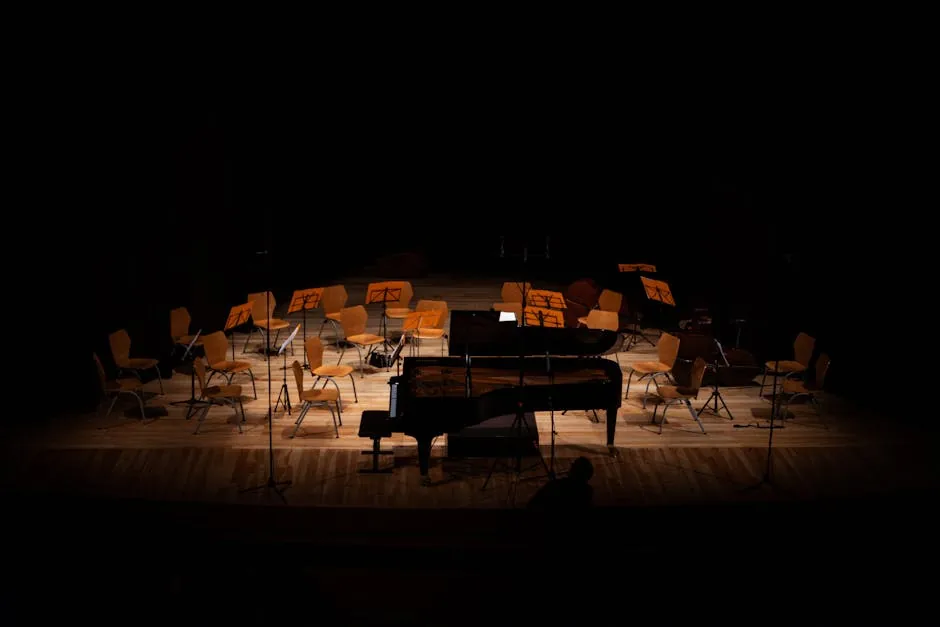
Featured B — Club Evans, Hongdae
Club Evans is Seoul's primary jazz home and has been for approximately fifteen years. The venue runs a recording studio in the same building and operates a jazz academy on a separate schedule, which together produce a small but consistent pipeline of Korean jazz musicians whose first-public-performance credits trace back to the room. The format that makes Club Evans worth a Hongdae night is the Monday and Tuesday jam sessions, which are open to walk-in musicians and which produce some of the most unfiltered live music in the city — a working professional jazz environment where the audience and the musicians blur in the way they did in New York's downtown rooms in the 1970s. Cocktails run KRW 5,000 to 9,000; admission runs KRW 7,000 to 15,000, which is gentler than comparable rooms in Cheongdam or Itaewon. Time Out Seoul and Wanderlog's Seoul jazz coverage both place Club Evans at the centre of any honest Korean jazz map. The patient I would steer toward Club Evans is the music-literate visitor who wants a working Seoul jazz room rather than a tourist-facing one, the post-treatment traveller on a low-stimulation rest day who wants live music at a manageable volume, or the solo traveller who treats a 90-minute jazz set as the right shape for a Seoul evening. The room is small. Arrive early on Friday and Saturday. The wider observation about Club Evans is that the institutional structure — recording studio plus academy plus performance room — is itself the differentiator. Most live music venues in any city operate as performance rooms only, which makes them dependent on touring economics and weekend ticketing. Club Evans operates as a working music institution, which gives the room a programming density and a musician quality that pure performance venues struggle to match. The audience reflects that. On a typical weekday set, the room is half audience and half off-duty musicians watching colleagues work; on a weekend headliner night, the audience tilts more touristic but the playing remains serious. For visitors who treat live music as a craft observation rather than as entertainment, Club Evans is the cluster's most rewarding two hours.
Featured C — Strange Fruit, Hongdae
Strange Fruit has been a Hongdae indie cornerstone for more than twenty years, which in this cluster is most of the modern history of the room as a venue type. The format is a bar and a performance hall in one footprint — a hybrid that lets the room operate as a casual hang on quiet evenings and a working live venue when the programming requires it. The hybrid is the editorial argument. Strange Fruit is one of the few rooms where you can walk in without a ticket on a Wednesday, drink a beer at the bar, and discover that a set starts at 10pm that you had not planned for; the venue is part of the working musician's circuit rather than a polished tourist room, and the bar's pacing reflects that. Kiremico's indie coverage and a Korea Times retrospective on Hongdae's formative venues both place Strange Fruit among the cluster's defining rooms. The patient I would steer toward Strange Fruit is the visitor who treats a Seoul evening as something that should be discovered rather than scheduled, the music traveller who wants the bar-plus-venue hybrid that has largely disappeared from polished neighbourhoods, or the solo traveller who would rather sit at the bar and let the room unfold than buy a ticket in advance. The cover charge structure varies by night. The room's energy peaks late. The bar-plus-venue hybrid is also part of why Strange Fruit has survived the past two decades of rent escalation while other Hongdae live rooms have not. Pure performance venues depend on ticket revenue to cover the operating costs of a room that sits empty on the four to five evenings a week with no programming; bar-plus-venue rooms recover those costs through bar service on quieter nights and treat live programming as additive rather than load-bearing. The economic model is the survival strategy. For international visitors, the practical implication is that Strange Fruit rewards an unstructured visit — you do not need to schedule a ticket, you do not need to commit to a specific set, you simply walk in, sit at the bar, and let the night develop. That register has become rare across Seoul as a whole, which is one of the reasons the Hongdae cluster remains worth visiting in the first place.
Walking the cluster — building a Hongdae live music night
A useful way to think about the four rooms is as a sequence rather than as alternatives. The cluster is dense enough that a single Hongdae night can move through two or three of the venues without leaving the quadrant, and the editorial reward of the night depends on the order. The version that has worked best on multiple visits is roughly this. Start at Club Evans for an 8:30pm jazz set — the room is small, the cocktails are gentle, and the 90-minute set anchors the evening at a manageable volume before the louder Hongdae register kicks in. From Club Evans, walk through the Hongdae main-core to Strange Fruit for a 10pm bar pause; the bar-plus-venue hybrid lets you decide on arrival whether to stay for whatever set is starting or to drink one beer and continue. If the night has energy left after Strange Fruit, Club FF's late-evening live programming runs until the DJ transition around 11pm, and the basement format below decks works well as a closing room for visitors who want to see the cluster's punk-and-rock register without committing to a full-evening dance club. Veloso fits the evening if a touring international act is programmed; check the venue's schedule in advance and treat a Veloso date as the anchor around which the rest of the night rotates rather than as a stop within a broader sequence. The geography is the editorial argument. All four rooms sit within roughly 12 minutes of walking around Hongik University Station; the walk between venues is itself part of the Hongdae texture, particularly through the alleys north and west of Exits 8 and 9 where the cluster's mural-and-streetwear register intersects with the live-music architecture. By the end of the night you have spent four or five hours inside the cluster, you have heard two or three sets at venues with different programming philosophies, and you have built a sense of Hongdae's evening identity that no single venue visit can produce. The cluster does not reward speed. It rewards the willingness to let the night build, the patience to walk between venues rather than taxi, and the openness to discover a set you had not planned for at a bar you walked into for one drink.
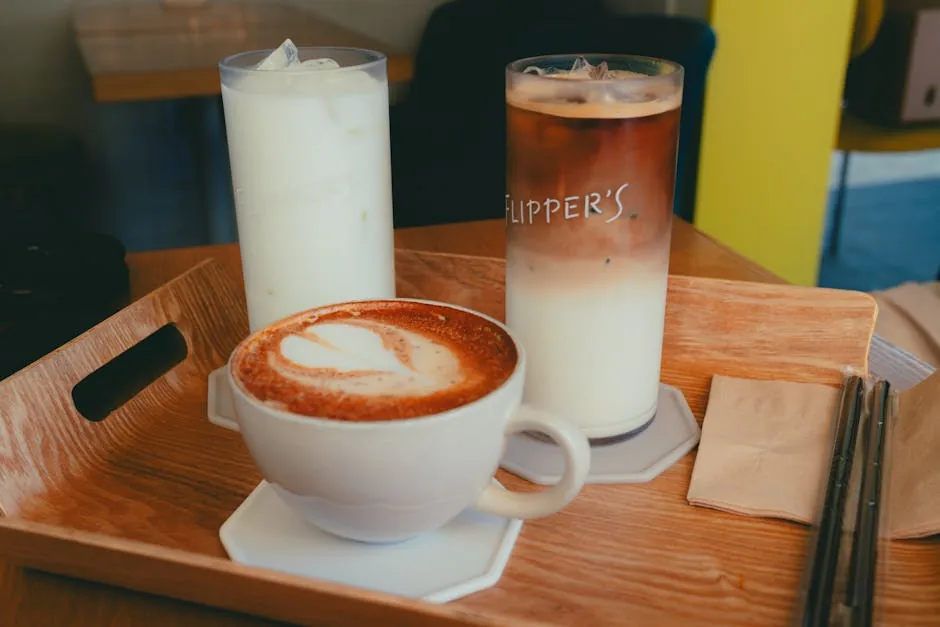
Featured D — Veloso Hongdae
Veloso is the underground basement room that the cluster's musicians talk about for acoustics rather than for visibility. The venue is small, the room is below street level, and the booking schedule mixes Korean indie acts with international touring musicians who want a Seoul date that is not the polished Itaewon circuit. The acoustic reputation is the differentiator. Most Hongdae basement rooms were not built for live music; they were converted from other uses, and the sound architecture reflects that. Veloso is one of the few cluster venues where the acoustics were considered during the build, and musicians who have played the room consistently mention it. NovaCircle's coverage of Hongdae underground venues and Wanderlog's Seoul live music guide both feature Veloso as a basement cornerstone. The patient I would steer toward Veloso is the audiophile traveller who cares about how a room sounds rather than how it looks, the music programmer scouting Seoul touring routes, or the visitor who wants to see an international indie act in a Korean room rather than a hotel ballroom. The booking calendar is the constraint — Veloso's programming is selective rather than continuous, so check the venue's schedule before planning a Hongdae night around it. When the programming aligns, the room is one of the cluster's quiet best arguments. The acoustic argument is also worth a small unpacking. In a converted basement, the surfaces are usually wrong for live music — flat concrete walls, low ceilings, parallel surfaces that produce flutter echo, and load-bearing columns that interrupt the sight lines and complicate the sound field. Rooms designed around live music handle those problems with surface treatment, intentional non-parallel geometry, and a stage placement that respects the acoustic centre of the space. Veloso reads as a room where those decisions were made deliberately rather than retrofitted, which is rare in any city and particularly rare in Hongdae, where the broader pattern is improvisation over engineering. The visitor reward is that the room sounds like a room rather than like a basement, which is a small distinction in description and a large one in experience. For international visitors, the practical implication is that a Veloso night should be planned around the act rather than around the venue. Check the schedule in advance via the venue's published channels, book tickets early when a touring act is announced, and treat the room as the cluster's most acoustically rewarding option for evenings when the programming aligns with your taste.
Frequently asked questions
How does the Hongdae live music cluster compare to Itaewon?
Hongdae has the deeper indie and jazz pipeline; Itaewon has the more international club programming. For visitors who want Korean indie music in rooms that have shaped the country's modern music history, Hongdae is the answer. Itaewon works better for international DJ programming and dance club formats. The two clusters do not really compete on the same evening because they sit on different metro lines and pull different audience profiles. Visitors who plan a longer Seoul trip often build separate evenings for each — one Hongdae night for the indie and jazz register, one Itaewon night for the international club register — rather than trying to combine them.
What is the youngest age admitted at these venues?
Korean live music venues generally admit visitors aged 19 and over in line with national alcohol licensing — the legal drinking age. Club FF, Club Evans, Strange Fruit, and Veloso all card at the door. International visitors should bring a passport or a Korean residence card; a foreign driver's license is sometimes accepted but the passport is the safer option. The age threshold is not strictly enforced for music-only afternoon programming at some venues, but evening sets uniformly require ID. Visitors travelling with younger family members should plan around this constraint — the Hongdae live music cluster is not built for under-19 attendance, and the rooms above do not maintain separate non-alcohol entry policies.
Do I need to reserve tickets in advance?
For Club Evans on Friday or Saturday, yes — the room is small and the jazz programming pulls a regular audience. For Veloso, reservations depend on the act; touring international musicians sell out quickly while local programming is walk-in friendly. Club FF and Strange Fruit run mostly walk-in, with cover charges paid at the door. Naver Place handles reservations for some venues; others rely on KakaoTalk or Instagram DMs. International visitors without a Korean phone number can usually walk in successfully at the genre-rotation venues. Tickets for higher-profile bookings sometimes route through Interpark or Yes24, which both operate Korean-language interfaces but accept international cards.
What time should I arrive for a typical set?
Most Hongdae live sets start between 8pm and 10pm; the cluster's late programming runs to 2am or later on weekends. Club Evans jazz sets typically start at 8:30pm; Club FF live programming runs from 8pm with a DJ transition around 11pm; Strange Fruit's evening sets cluster between 9pm and 11pm; Veloso varies by act. Arriving 30 to 45 minutes before set time secures bar seating at the smaller rooms. Korean live venues do not generally publish a hard doors-open time the way western venues do; the practical rule is to arrive 30 to 45 minutes before the announced set time and let the room fill around you.
Are these venues safe for solo international visitors?
Hongdae is one of Seoul's safer central neighbourhoods at night, and the four venues above operate with established door staff and consistent crowd profiles. Solo visitors are common at all four. The walk from Hongik University Station Exits 8 or 9 to the venues runs through well-lit streets with significant foot traffic until past midnight. Visitors should still take normal urban precautions, particularly when leaving venues after 1am. Kakao Taxi and Kakao T are the standard rideshare services for late-night returns to the medical-tourism belt south of the Han River; both apps operate in English and accept international payment cards.
How does this cluster fit a rest-day itinerary for international patients?
Hongdae works best as an evening rest-day detour rather than a daily destination for visitors staying in the Apgujeong or Cheongdam medical-tourism belt. The Line 2 ride from Gangnam Station to Hongik University Station runs about 28 minutes; the return trip late at night may require a taxi if the metro service has ended. Live music attendance is generally compatible with most aesthetic procedure recovery protocols beyond the first 48 to 72 hours, though visitors on alcohol-restricted aftercare windows should plan accordingly. The cluster's volume range matters here — Club Evans jazz sets sit at a manageable conversational volume, while Club FF and Veloso programming can run loud enough to warrant earplugs. Visitors with recent in-ear procedures or general fatigue from procedure days should weight toward the quieter rooms.
Is there a difference between weekday and weekend programming?
Yes, significantly. Weekday programming at all four venues skews local — Korean indie acts, jazz jam sessions, smaller bookings — and tends to be cheaper and easier to walk into. Weekend programming pulls touring acts, higher-profile bookings, and larger audiences. For international visitors who want the cluster's working-musician register, Monday through Thursday evenings are the better choice. Friday and Saturday produce the cluster's bigger nights but require more planning. The Tuesday Club Evans jam session, in particular, is one of the cluster's most distinctive midweek experiences and worth structuring a Hongdae night around if your Seoul schedule allows.
What does a typical night cost across the four venues?
Cover charges run KRW 7,000 to 15,000 at Club Evans, KRW 8,000 to 20,000 at Club FF depending on the act and the DJ programming, and variable at Strange Fruit and Veloso depending on the booking — sometimes free for bar-only entry, sometimes KRW 15,000 to 30,000 for ticketed sets. Drinks across all four run KRW 5,000 to 9,000 for beer and KRW 8,000 to 14,000 for cocktails. A full Hongdae live music night, with two venue visits and three drinks, typically costs KRW 50,000 to 80,000 per person. The cluster prices below comparable jazz and indie circuits in Cheongdam or Itaewon, which is part of the editorial argument for the trip across the Han River.