Editorial Picks
5 Vegan and Plant-Based Restaurants in Hongdae
A Yeonnam-leaning, walking-pace tour through five plant-forward Hongdae kitchens — read as a Seoul aesthetic and lifestyle picture, not a leaderboard.
The first thing to understand about Hongdae as a vegan dining cluster is that the geography matters more than the cuisine. The five restaurants below are not strung along one street; they are scattered across Yeonnam-dong, the main Hongdae core, and the alleys that fan out from Hongik University Station Exits 3, 8, and 9 — a walking quadrant that locals have spent the last decade quietly turning into Seoul's most active plant-based cluster, ahead of Itaewon by most measures. If you are reading this from a Seoul hotel in Apgujeong or Cheongdam — the medical-tourism belt where most international visitors stay for derma and aesthetic work — Hongdae is roughly 28 minutes east on Line 2 from Gangnam Station or a 25-to-30-minute taxi from the Han River. That distance is part of the point. The youth-culture register here is the counterpoint to Apgujeong's polish, and the vegan kitchens reflect it: the rooms are cosier, the menus are western-Korean fusion rather than purely traditional, and the price points are noticeably gentler than what the same plate would cost two subway lines south. None of the five below should be read as a ranking. They are five different ways of doing plant-forward food in a neighbourhood that has, in the past five years, become the most reliable place in Seoul to eat well without animal products. Bring an appetite; bring a walking pace; let the day stretch. Authority anchor: VisitKorea Hongdae guide for transport orientation and HappyCow Seoul listings for current operating hours, which can rotate seasonally. A second framing point matters before the list begins. Korean plant-based dining is not a single cuisine and never has been; the tradition called temple food, which evolved across centuries inside Buddhist monasteries, is technically vegan but operates on a different register than the western-leaning vegan-restaurant format that Hongdae has popularised over the past decade. The five rooms below are the second register — kitchens that read as restaurants first, plant-based second — rather than the temple-food register that visitors find in places like Insadong or in a small handful of dedicated Sanchon-style addresses elsewhere in the city. Both registers are valid; the cluster below is the one most international visitors are actually looking for when they search for vegan Hongdae. The neighbourhood's appeal as a plant-based dining cluster also has a structural explanation. Yeonnam-dong's rents stayed relatively gentle through the 2010s, the Gyeongui Line Forest Park reactivation between 2015 and 2016 pulled foot traffic into formerly quieter alleys, and the Hongik University design-school graduate population produced a steady supply of small-format restaurant operators willing to take menu risks that polished neighbourhoods would not underwrite. The result is a cluster that feels organic rather than curated, with the kind of room-level variation that makes a walking tour worthwhile.
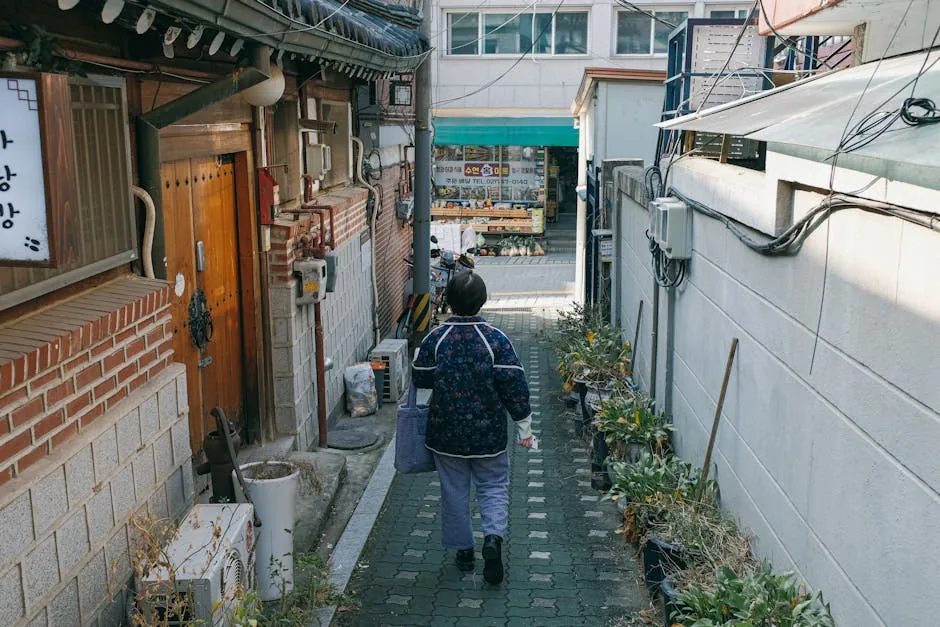
Featured A — Plant Cafe and Kitchen, Yeonnam-dong
Plant Cafe and Kitchen sits on World Cup Buk-ro 4-gil in Yeonnam-dong, a short walk north from Hongik University Station Exit 3 through the Gyeongui Line Forest Park spine that locals call Yeontral Park. The room is bright, glass-fronted, intentionally easy on a first-time vegan visitor — there is no incense, no didactic menu signage, no implication that plant-based eating is a moral position. The menu is the western-leaning end of Korean vegan dining: burgers built on house-made patties, wraps with the kind of grain-and-greens construction that travels well from California, salads designed to be satisfying rather than punitive. Plant has been operating long enough — well past a decade — to count as one of Seoul's established plant-based addresses, and the second location in Itaewon means the brand has the operational maturity to handle a busy lunch service without slipping on consistency. The patient I would steer toward Plant is the international visitor who wants a soft landing into Korean vegan dining without committing to a sociopolitical posture, or the post-procedure traveller on a low-spice recovery diet who needs a dependable kitchen near a walkable park. Order anything from the burger section if it is your first visit; the wraps and salads if you are coming back a second time and want to see the menu's range. The room reads as café-quiet at 11am and gets louder by 1pm — a small window worth planning around. What gives Plant its anchor status in the cluster is not novelty but consistency. The kitchen has trained through enough opening-and-closing cycles in Yeonnam-dong to recognise the rhythm of a tourist-heavy lunch service against a regulars-heavy weekday afternoon, and the menu structure reflects that — the burgers and wraps are designed to land successfully on the first visit, while the seasonal additions exist for the returning customer who wants to see what the kitchen is currently testing. The website at plantcafeseoul.com publishes a clear current menu, which sounds like a small detail until you have tried to verify a Hongdae vegan venue's offerings from outside Korea and discovered that most cluster restaurants update only Naver Place and Instagram, both of which can be slow to navigate in English. Plant has built the operational layer that international visitors actually use, and that layer is part of why the room remains the cluster's most reliable single recommendation for first-time vegan diners in Seoul.
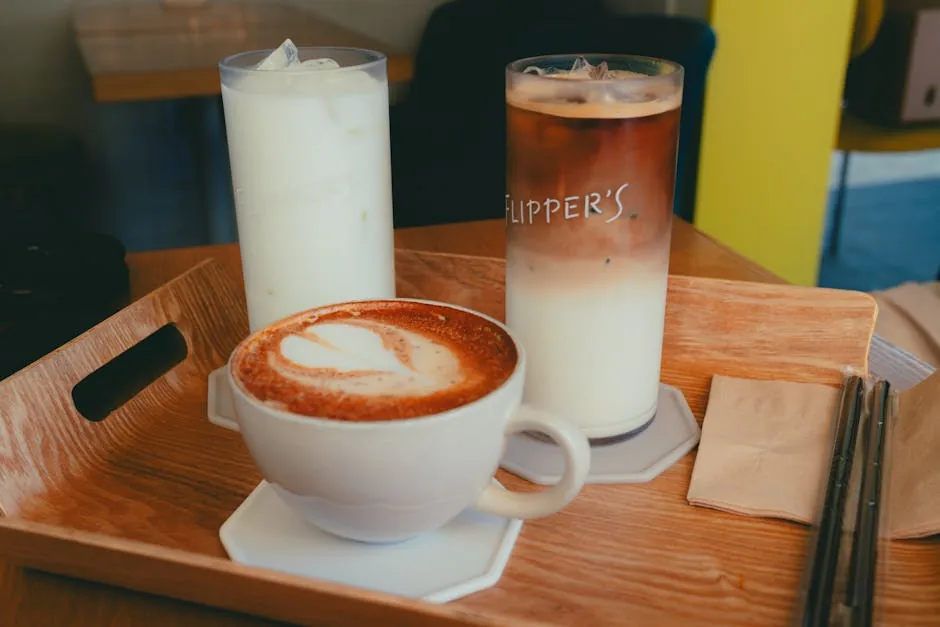
Featured B — Cook and Book, Hongdae
Cook and Book is the Hongdae vegan address that doubles as a cookbook reading room. The concept is straightforward — a kitchen serving plant-based plates, a wall of cookbooks you are encouraged to pull down and read while you wait, and a clientele that skews toward Hongik University art-school graduates who treat the place as an extended living room. The food trades on comfort rather than ambition: warm bowls, casseroles, soup-and-rice combinations that lean Korean in their seasoning palette while remaining fully plant-based. Cook and Book has earned consistently high HappyCow ratings over the years it has been operating, which is one of the better proxies in a city where vegan venues rotate quickly. The room itself is small, the lighting is warm, and the soundtrack on most afternoons sits somewhere between Korean indie and lo-fi instrumental — exactly the register Hongdae has been broadcasting since the late 1990s. The patient I would steer toward Cook and Book is the solo traveller who treats a meal as a one-hour pause rather than a destination event, or the visitor who wants to spend an afternoon in a single neighbourhood without bouncing between cafés. Cookbooks rotate. Bring a notebook if you are the kind of reader who underlines. The hybrid format — kitchen plus reading room — is part of a wider Korean pattern in which small-format cafés and restaurants build an aesthetic premise around a single curatorial idea and let the food and the room earn their reputation together. Book cafés are not unique to Hongdae; the city has dozens of them across Hapjeong, Mangwon, and Seongsu. What makes Cook and Book worth singling out is that the plant-based menu is treated as the main act rather than as a side gesture, which puts the room a category above the broader book-café cluster. The wider implication for international visitors is that Hongdae's most interesting plant-based addresses tend to live inside concept formats — book café, vegan pub, all-vegan patisserie — rather than inside large stand-alone restaurants, and the cluster reads more rewardingly if you visit two or three rooms in a single afternoon than if you treat any one of them as a destination dinner.
Featured C — Cafe Sun, Hongdae
Cafe Sun is positioned as the escape from the busier Hongdae streets. The room is intentionally cozy — small footprint, soft seating, the kind of café that signals from the doorway that you are meant to stay for an hour rather than a coffee-and-go. The food register is homemade Korean comfort plus light western touches, all plant-based, with warm meals leading the menu rather than salads. What recommends Cafe Sun is not a single signature dish but the room's pacing: it is one of the rare Hongdae addresses that does not push you through a 45-minute table turnover. The cluster context matters here. Hongdae's commercial cafés in the main core run at a tempo designed for university students between classes; Cafe Sun runs at the tempo of a Yeonnam afternoon, which is closer to a Tokyo neighbourhood café than a Seoul university café. The patient I would steer toward Cafe Sun is the post-treatment traveller looking for a quiet warm meal that does not require navigating an English menu translation, or the visitor who wants the cluster's softer side after a morning spent in the louder Hongdae main core. Verify current operating hours via HappyCow before you walk over — the room is small enough that one busy afternoon can mean a wait. There is also a slightly counter-intuitive case for treating Cafe Sun as the cluster's introduction rather than its denouement. Visitors arriving in Hongdae for the first time often start at the busier main core near Exits 8 and 9 and migrate north into Yeonnam-dong only after the noise begins to feel unproductive. A reverse itinerary — starting at Cafe Sun in the late morning, then walking south into the main core — works better for travellers who are sensitive to crowd density, who are on a post-procedure rest day, or who simply want to calibrate the cluster's range from quiet to loud rather than the reverse. The walking distance from Cafe Sun to the main core is roughly seven minutes through alleys that are themselves part of the Hongdae editorial register. The morning version of the neighbourhood is a different city than the evening version, and Cafe Sun is the room that makes the morning version available.
Featured D — Drunken Vegan, Hongdae
Drunken Vegan is the cluster's vegan pub. The format reads like a Korean pocha that has been quietly rewritten — fusion vegan comfort food designed to pair with alcohol, served in a room that reads as casual rather than aspirational, with the kind of menu that lets a group of four order broadly and share. The pairing logic is the differentiator. Most Hongdae vegan restaurants treat alcohol as a side question; Drunken Vegan treats it as part of the architecture, which makes it the cluster's most adult-leaning address — a counter-programming choice for visitors who associate plant-based dining with juice bars and would prefer a beer with their seitan. The room's energy peaks in the evening, particularly Thursday through Saturday, when Hongdae's broader nightlife belt is also active. The patient I would steer toward Drunken Vegan is the visitor on a Seoul trip that does not involve next-morning treatment, the group of friends who want a vegan dinner that does not feel medicinal, or the curious meat-eater being introduced to plant-based food by a vegan partner. Procedure-recovery travellers should generally skip it — alcohol pairs poorly with most post-aesthetic protocols, and the value of the room is the pairing. The wider point Drunken Vegan makes about the Hongdae cluster is that plant-based dining in this neighbourhood has matured past the entry-level register that defines most vegan scenes elsewhere in Asia. A pub format only works when the audience is large enough and confident enough to support it; the existence of Drunken Vegan in Hongdae is itself evidence that the cluster has reached a depth where a niche-within-a-niche can be commercially sustainable. For international visitors who arrive in Seoul expecting the kind of small, careful, slightly apologetic plant-based dining that defined the city's vegan scene a decade ago, Drunken Vegan reads as a useful correction. The room is loud, the food is bold, the pairings are intentional, and the place treats vegan dining as a complete adult cuisine rather than as a dietary compromise.
Walking the cluster — a half-day route
If you want a single half-day route that captures the cluster's range, the version that has worked best on multiple visits is roughly this. Start at Hongik University Station Exit 3 around 11am and walk north into Yeonnam-dong along the Gyeongui Line Forest Park spine — the linear-park stretch that locals nicknamed Yeontral Park. Take a slow 12-to-15-minute walk through the park; on a weekday morning the path is genuinely quiet, and the cherry trees and mid-rise tree canopy make the walk one of the better introductions to the neighbourhood's softer side. Plant Cafe and Kitchen sits a short detour west off the spine, and an 11:30am or noon lunch lands the room at its café-quiet register before the 1pm rush arrives. From Plant, walk south-east through the Yeonnam-dong alley grid — the area north of the park is where the cluster's mural alleys and small-format café density is highest, and a 30-to-40-minute wander through this quadrant is the editorial centre of any Hongdae trip. If you want a coffee pause, La Pause is the natural stop, particularly if the morning has pulled you toward the slower café register; if you want a second meal, Cook and Book is the address that lets a long afternoon settle. By mid-afternoon you have crossed roughly half of Hongdae's most walkable territory, you have visited two of the cluster's defining vegan addresses, and you have built a soft sense of the neighbourhood's geography that no map can give you. The remaining two rooms — Cafe Sun for the quieter Hongdae-main-core register, Drunken Vegan for an evening — fit on a second visit rather than a single day. The cluster does not reward speed. It rewards walking pace, the willingness to let an alley pull you off-route, and the patience to treat a single afternoon as enough of an itinerary on its own.
Featured E — La Pause, Hongdae
La Pause is the cluster's all-vegan Parisian café. The room is committed to the bit — pastries arranged behind glass, old Hollywood films playing silently on a TV that nobody is fully watching, lighting calibrated to make the room feel like a Marais bakery rather than a Hongdae storefront. The aesthetic is the product. The pastries are good — flaky, intentionally constructed, plant-based without announcing it — but what brings people back is the choreography of sitting in a café that has chosen a personality and committed. La Pause is in the lineage of Korean cafés that treat the room as the menu, which is a Seoul pattern that goes back at least to the early 2010s and has produced some of the city's most photographed addresses. The patient I would steer toward La Pause is the solo traveller spending a Hongdae afternoon working from a laptop, the visitor who wants a pastry-and-coffee pause between Yeonnam-dong walks, or the medical-tourism patient on a rest day looking for a low-stimulation environment that still feels like part of the trip rather than a hotel lobby. Pastry rotation changes by season — what was on the counter in March may not be there in October. Order a coffee, take a corner table, and let the film play. The room also functions as a useful counterweight to the way Hongdae is sometimes described in international travel writing, which tends to lead with the indie music scene and the streetwear retail belt and treat the cluster's quieter rooms as afterthoughts. La Pause is part of a parallel Hongdae register — the slow, design-forward, café-as-room tradition that has produced as many of the neighbourhood's defining addresses as the louder venues have. International visitors who come to Hongdae expecting only the loud version of the cluster often spend an unstructured afternoon in a place like La Pause and revise their map of the neighbourhood by the time they leave. The cluster contains both registers; the listicle would be incomplete without the patisserie counterweight.
Frequently asked questions
How does the Hongdae vegan cluster compare to Itaewon for international visitors?
Hongdae has, in the past five years, overtaken Itaewon as Seoul's most active vegan dining cluster by venue count and menu range. Itaewon remains stronger on international-cuisine breadth — Mexican, Middle Eastern, African — while Hongdae leans Korean-fusion plus western-cafe formats. For a first-time visitor who wants the deepest plant-based density in a single walkable neighbourhood, Hongdae is the current answer. Itaewon works better as a second-evening cluster for visitors who have already covered Hongdae and want a different cuisine vector. HappyCow Seoul listings track both clusters and are the most reliable cross-reference for current operating hours and menu range.
Is Hongdae safe for solo dining and late lunch hours?
Hongdae is one of Seoul's safer central neighbourhoods for solo dining at almost any hour. The main core around Hongik University Station Exits 8 and 9 stays active until past midnight; Yeonnam-dong is quieter but well-lit and well-policed through evening hours. Vegan restaurants in the cluster tend to close earlier than the broader Hongdae nightlife — most of the five above stop seating around 9pm. Solo visitors are common and not noticed; the cluster's café-heavy character means single tables are normal across the neighbourhood. Visitors with mobility considerations should be aware that some of the smaller venues have step-up entries.
How do I get from a Cheongdam or Apgujeong hotel to Hongdae?
From Apgujeong, Line 3 west to Express Bus Terminal, then Line 9 to Dangsan, then Line 2 to Hongik University Station — roughly 35 minutes in total. A taxi runs 25 to 30 minutes in light traffic. From Gangnam Station, Line 2 direct, 14 stops, about 28 minutes. From Incheon Airport, the AREX express to Hongik University Station is roughly 50 minutes and is cheaper than the AREX to Seoul Station for visitors staying in Hongdae.
Are any of the five suitable for post-procedure recovery diets?
Plant Cafe and Kitchen and Cook and Book are the two most recovery-friendly. Both run menus that include unspiced grain bowls, warm soups, and salads that can be ordered without aggressive seasoning. La Pause is fine for a coffee-and-pastry pause if your recovery protocol allows mild caffeine. Drunken Vegan should be skipped within the first 72 hours of most aesthetic procedures because alcohol pairs poorly with the recovery window. Verify specific dietary requirements with your treating clinician.
Do these restaurants take English orders?
All five operate in a neighbourhood that sees significant international foot traffic, and most staff handle basic English orders. Plant Cafe and Kitchen has the most polished English-language menu and service flow. Cook and Book and Cafe Sun lean Korean-language-first but staff are accustomed to pointing-and-ordering with international visitors. Translation apps work well in all five rooms; menu photographs are widely available on Naver Place and Google Maps in advance.
What does a typical meal cost across the five rooms?
Plant Cafe and Kitchen and Drunken Vegan run higher — KRW 14,000 to 22,000 per main course, with shared plates pushing toward KRW 35,000 at Drunken Vegan with drinks. Cook and Book and Cafe Sun are the value tier, with most plates KRW 11,000 to 16,000. La Pause is pastry-and-coffee pricing, typically KRW 6,000 to 9,000 per pastry plus KRW 5,500 to 7,500 for coffee. None of the five charge a premium over comparable non-vegan rooms in the neighbourhood.
Are reservations needed?
For Plant Cafe and Kitchen at peak weekend lunch, yes — the room fills quickly and walk-ins can wait 30 minutes. For Drunken Vegan on Friday and Saturday evening, reservations help. Cook and Book, Cafe Sun, and La Pause are walk-in friendly at almost any hour; the rooms are small enough that timing matters more than reservations. Naver Place handles reservations for some venues; others ask for a KakaoTalk message. International visitors without a Korean phone number can usually walk in successfully outside peak hours.
Is the cluster going to look the same in a year or two?
The five rooms above are the cluster's most source-stable addresses — venues with multi-year track records and consistent editorial coverage. Smaller Hongdae vegan venues rotate frequently, particularly in Yeonnam-dong, where café and restaurant turnover runs around 30 to 40 percent over a three-year window. If you are reading this guide more than 18 months after publication, verify current operating hours and addresses via HappyCow and Naver Place before walking over — the cluster's spine is durable but individual addresses do shift.