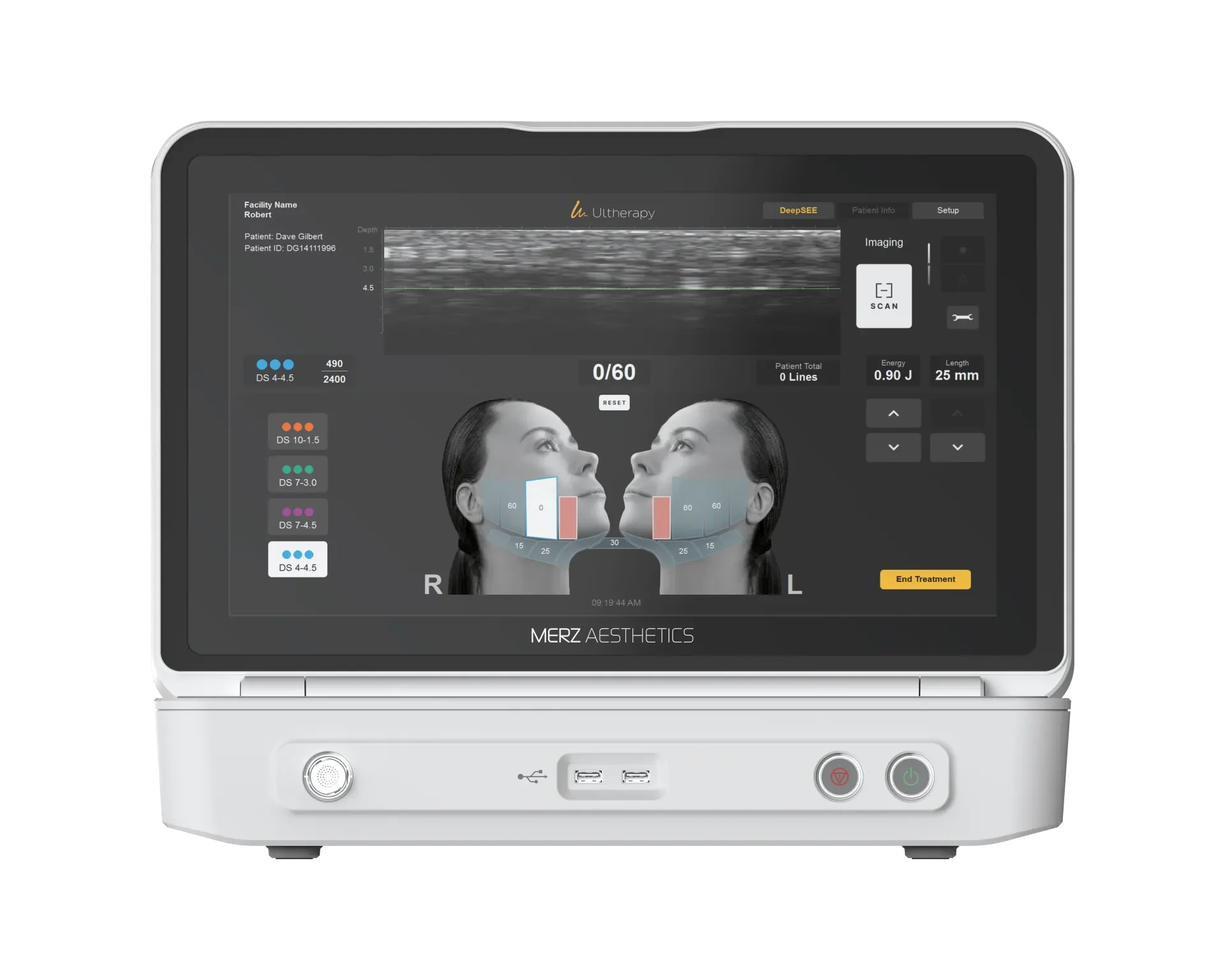
Treatment Guide
Seoul Ultherapy Trip from Taiwan — The Full Playbook
Flight, neighbourhood, Mandarin coordinator, and a day-by-day Seoul itinerary that integrates the treatment into a real K-beauty trip.
If my younger 表妹 asked me tomorrow to plan her first Seoul Ultherapy trip from Taipei, this is the playbook I would hand her. Four trips of personal experience, probably twenty WhatsApp threads with Taiwanese friends who flew before and after me, and a working knowledge of the Mandarin-coordinator infrastructure across the four Seoul clusters — compressed into a trip-planning page that integrates the treatment into a real K-beauty Seoul trip rather than treating it as a sterile medical errand. Flight from TPE-ICN is 2.5 hours direct; the trip itself works best at 4 to 5 nights because the post-treatment window benefits from one to two Seoul days before the return flight, and because the value of Seoul as a destination is genuinely worth the extra nights. The treatment fits in the middle of the trip, not at the beginning or end. Authority anchors throughout: KHIDI for the Korean facilitator framework, MOHW for inbound medical tourism regulation, and Merz Aesthetics provider locator for clinic verification.
Flight booking — TPE-ICN logistics, airlines, and the seat selection that matters
TPE-ICN runs roughly 14 to 18 daily return flights at 2.5 hours each direction, with EVA Air, China Airlines, Korean Air, Asiana, and the budget carriers (Tigerair, T'way, Jeju Air) operating the corridor. EVA Air and China Airlines are my personal default for the slightly more comfortable economy seating and the Mandarin-default cabin service; Korean Air and Asiana run the same corridor at slightly different times of day. Budget-carrier pricing typically runs NTD 8,000 to 12,000 round-trip in shoulder seasons; full-service carriers run NTD 14,000 to 22,000. For a Seoul Ultherapy trip specifically, I would book the inbound flight to land morning-to-early-afternoon at ICN — this gives you arrival, transit to Gangnam-side hotel, and check-in by late afternoon, with treatment-day energy preserved for Day-2. The return flight should depart afternoon-to-evening from ICN on Day-5 or Day-6, after a gentle final morning in Seoul. Window seats on the inbound flight are fine; the cabin pressure does not affect the post-treatment window because treatment is on Day-2 not Day-1. Aisle seats on the return flight matter more — Day-5 or Day-6 face still benefits from the option to walk the cabin briefly. Carry-on weight: the post-treatment skincare cargo (gentle cleanser, SPF 50+, the Korean barrier-repair products you will buy on Day-3 or Day-4) adds genuine weight; pack accordingly.
Neighbourhood and hotel — Gangnam side versus Myeongdong side
Hotel choice is the single decision that most shapes the trip experience. The Gangnam-side hotel cluster (Gangnam Station, Sinsa, Apgujeong, Cheongdam, Yeoksam) is my personal default and what I would book for any first-time Taiwanese patient — it places you within 15 minutes of the Cheongdam, Apgujeong, and Gangnam Station axis clinics, gives you the cleanest Day-2 evening dining options after treatment, and lets you do the Cheongdam and Hannam side-street eating across Day-3 and Day-4 without long subway transits. Properties I have personally stayed at and would recommend to friends: Park Hyatt Seoul (premium, Cheongdam-adjacent, NTD 9,000 to 14,000 per night), Andaz Seoul Gangnam (mid-premium, Apgujeong-side, NTD 7,000 to 10,000), and the boutique business hotels around Sinsa and Gangnam Station (NTD 4,000 to 7,000). The Myeongdong-side hotel cluster places you closer to the Myeongdong clinic cluster and the Gyeongbokgung-Bukchon tourism axis but adds 30 minutes of subway transit to Cheongdam-side restaurants and other Gangnam-axis activities. Myeongdong itself is honestly louder and more crowded than the Gangnam-side neighbourhoods; for a 4-to-5-night trip I would default to Gangnam-side and take the Line 4 / Line 2 transfer to Myeongdong as a half-day shopping detour rather than basing the entire trip there.
Mandarin coordinator coverage — what to verify before booking
Mandarin coordinator coverage is the single feature of the clinic-side infrastructure that separates a smooth Seoul trip from a stressful one, particularly for Taiwanese patients whose English fluency is travel-magazine level rather than medical-consultation level. The four clusters vary: Gangnam Station axis at the larger international-patient practices runs Mandarin coordinator default; Apgujeong is similar at the Galleria-side practices; Cheongdam is variable, with some boutique practices running dedicated Mandarin desks and others relying on English-Korean coordinator handoff; Myeongdong is the most variable, with the better international-patient practices running Mandarin coverage and the lower-quality end relying on Korean-English only. Verify before booking by asking on WhatsApp or LINE in Mandarin: '請問貴院有中文協調員嗎?我從台灣過去,希望術前諮詢和術後追蹤都用中文。' (Does your clinic have a Mandarin coordinator? I am coming from Taiwan and would like pre-treatment consultation and post-treatment follow-up to be in Mandarin.) Clinics that respond in fluent Mandarin within hours pass the bar; clinics that respond in English or Korean only, or that delay 24+ hours, warrant pause. The Mandarin-only-during-treatment scenario is real and common, but the Day-2-through-Day-10 aftercare window is when language coverage matters most, so verify it covers that window not just the consultation.
Day-by-day itinerary — the 5-night Seoul trip that integrates treatment
The 5-night Seoul Ultherapy trip I would plan for a first-time Taiwanese patient, with treatment on Day-2.
Day-1 (arrival): Land ICN, transit Gangnam, gentle dinner
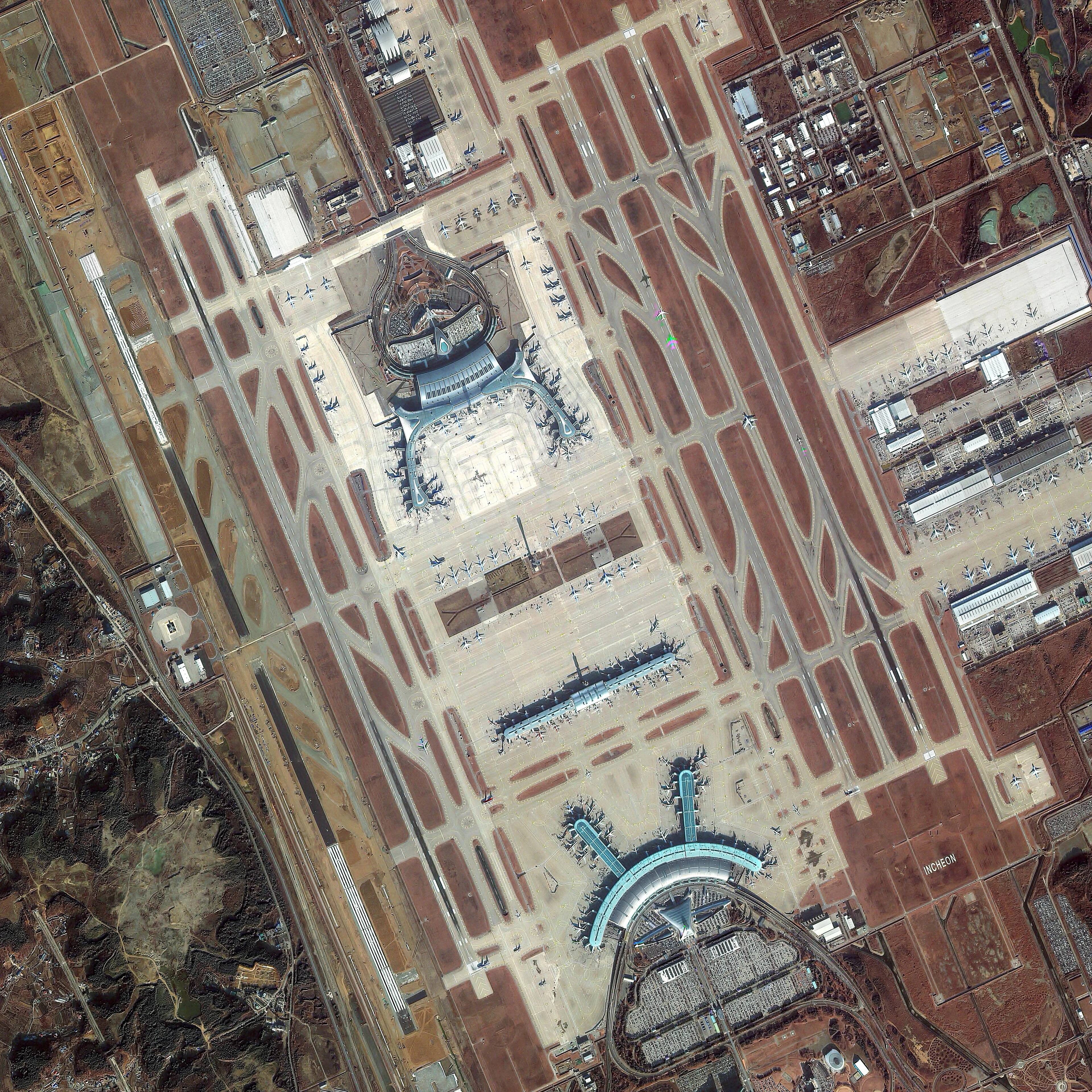
Land ICN late-morning. AREX express train to Seoul Station (43 minutes), Line 9 transfer to Sinsa Station (15 minutes), short walk or taxi to Gangnam-side hotel. Check in by 3pm. Walk Garosu-gil for orientation, gentle dinner at a Sinsa Korean place (paekban set with rice and banchan is my default —,, all work), no alcohol, early sleep. Pre-treatment day means clean hydration and good rest; the topical anaesthesia window on Day-2 works better when the patient is not jet-lagged.
Day-2 (treatment): Consult, treatment, gentle Cheongdam evening
Consultation at the chosen clinic mid-morning to early-afternoon. Topical anaesthesia 30-45 minutes; PRIME treatment 50-70 minutes; coordinator aftercare brief 15-20 minutes. Discharge by mid-to-late afternoon. Walk back to hotel for 90-minute rest. Gentle Cheongdam-side dinner — Gangnam dwenjang stew or the gentle Korean cabbage soup at the Cheongdam side-streets I plan into every Seoul trip. No alcohol on Day-2 evening. WhatsApp coordinator should send a Day-2 evening check-in; respond and ask any sensation questions. Sleep early; the body uses the first 24 hours to settle the SMAS-depth coagulation points.
Day-3 (Cheongdam-Apgujeong): Boutique walk, gentle eating, no jjimjilbang
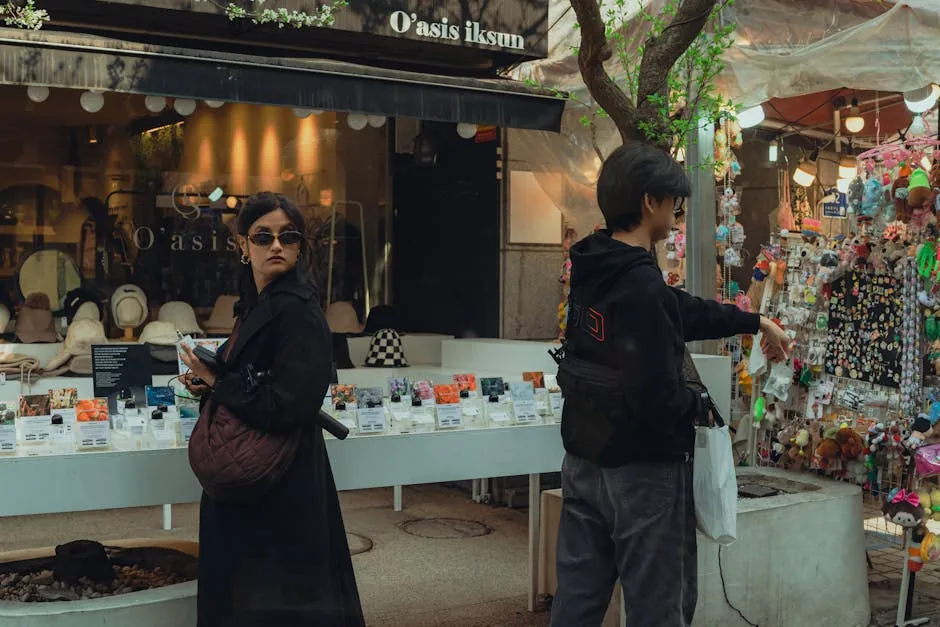
Cheongdam morning walk along Dosan-daero — boutique browsing, café stop, gentle pace. Lunch at a Cheongdam Korean place (avoid eye-watering galbijjim and the heaviest gochujang dishes; gentle cabbage soup, kalguksu, and grilled fish all work). Apgujeong afternoon — Galleria area browsing, the Apgujeong Rodeo side-streets. SPF 50+ is non-negotiable today; UV at SMAS-coagulation points within the first two weeks compounds risk of post-inflammatory hyperpigmentation. Skip the jjimjilbang that the hotel concierge may suggest — heat treatment is off the menu through Day-5 minimum. Dinner at a Sinsa Korean place; light drinking is fine from Day-2 onward.
Day-4 (broader Seoul): Bukchon, Gyeongbokgung, Myeongdong shopping detour
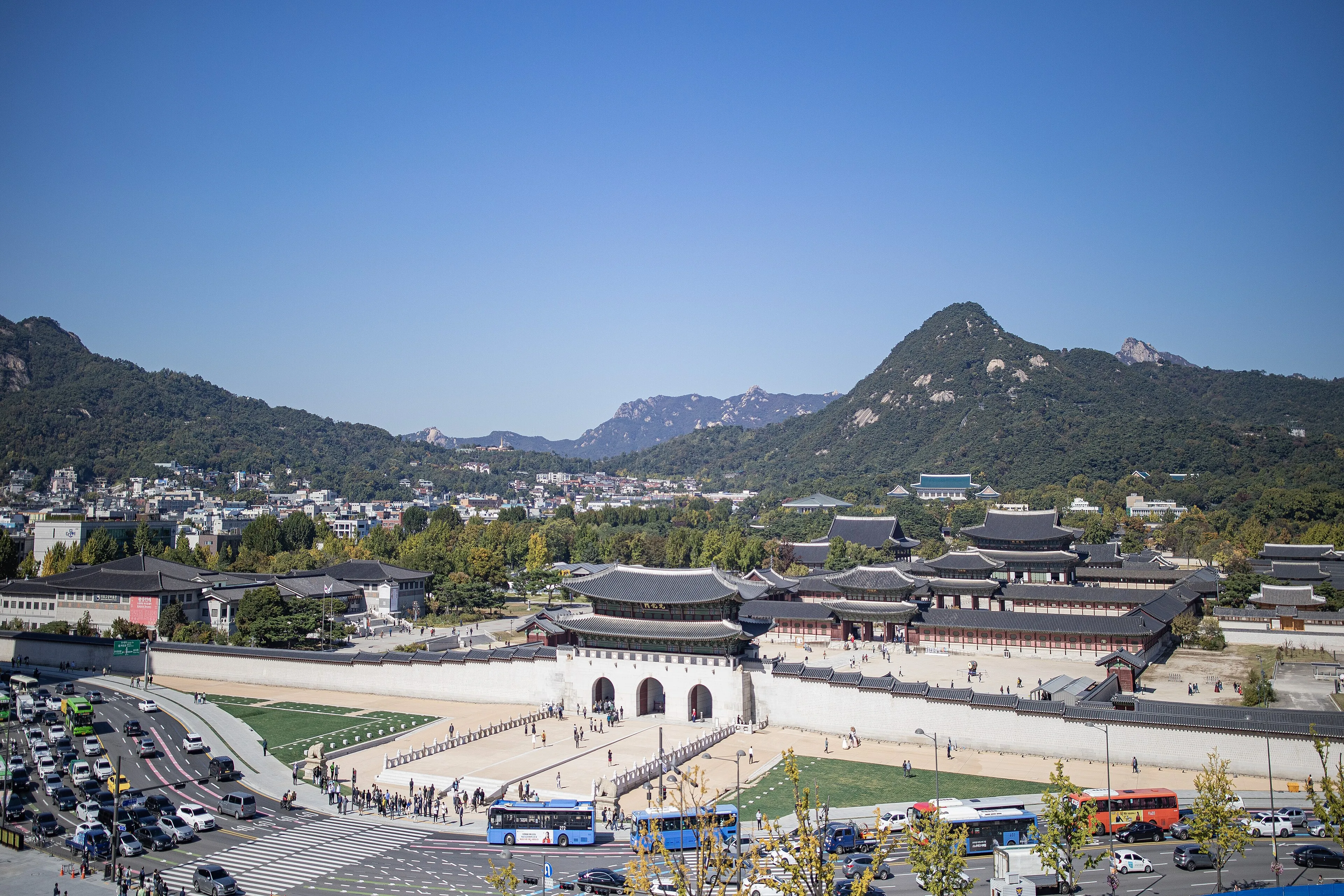
Bukchon Hanok Village morning walk — gentle pace, traditional architecture, the orientation that every Seoul trip benefits from. Gyeongbokgung Palace tour at midday with the standard 90-minute walk. Lunch in Samcheong-dong or Gwanghwamun. Afternoon Myeongdong shopping detour for the K-beauty cargo — Olive Young, Aritaum, the boutique skincare counters. The Myeongdong hotel cluster is a 30-minute subway ride from your Gangnam-side hotel; treat it as a half-day excursion not as a base. Dinner back in Gangnam — Sinsa, Hannam, or Cheongdam. The Korean BBQ that you may have been planning is fine from Day-3 onward provided the cut is not at eye-watering spice; samgyeopsal and unmarinated bulgogi are gentle.
Day-5 (final Seoul day): Café morning, gentle final lunch, ICN return
Gentle Seoul morning — café, last walk through Garosu-gil or Hannam, the final round of K-beauty cargo packing. Final lunch at a Gangnam-side place; gentle Korean. Hotel checkout by noon. AREX or limousine bus to ICN. Return flight afternoon-to-evening; aisle seat on the 2.5-hour TPE-ICN preferred. Land Taoyuan, transit home, plan the Day-7 follow-up WhatsApp with the clinic coordinator. The post-treatment window continues at home through Day-10 and the lift develops on the Month-3 timeline; the trip itself ends here but the protocol continues.
Pricing the full trip — Taiwan-side budget envelope
For the 5-night trip I describe above with a face-and-neck PRIME protocol at the Apgujeong tier, the full Taiwan-side budget envelope I would project: KRW 2,200,000 to 2,800,000 treatment cost (NTD 53,000 to 67,000 at recent FX), NTD 12,000 to 18,000 round-trip TPE-ICN flights, NTD 4,000 to 7,000 per night for a Gangnam-side hotel for 5 nights (NTD 20,000 to 35,000), NTD 5,000 to 8,000 for meals across the trip, NTD 2,000 to 4,000 for AREX, subway, and incidental transit, NTD 8,000 to 15,000 for K-beauty skincare cargo and shopping if you do the Myeongdong detour. Total Taiwan-side trip cost for a value-conscious Apgujeong trip lands around NTD 100,000 to 150,000; the same trip at the Cheongdam tier adds NTD 30,000 to 60,000 to the protocol cost; the same trip at the Myeongdong value tier reduces NTD 10,000 to 25,000 from the protocol cost. The Taipei-equivalent face-and-neck PRIME at premium dermatology clinics typically runs NTD 100,000 to 160,000 for the platform alone — meaning the Seoul trip with full travel costs is comparable to or cheaper than Taipei premium pricing on the platform alone, with the Seoul trip itself as a four-to-five-day vacation included. This is the math my Taipei friends keep arriving at, and it is the math that has driven the annual TPE-ICN cadence I describe across the archive.
What to bring from Taiwan, and what to buy in Seoul
Carry-on essentials from Taiwan: passport, KHIDI international-patient registration documents if your facilitator has issued them in advance, clinic confirmation emails with the WhatsApp / LINE coordinator handles, your standard Taiwan-side gentle skincare (the cleanser and SPF you already trust — do not switch products immediately before treatment), passport-size health insurance card, credit cards with foreign-transaction fees you can tolerate (Visa and Mastercard work universally; some Korean clinics also accept Alipay and WeChat Pay but Taiwan-side patients typically use Visa). What to buy in Seoul rather than Taiwan: Korean barrier-repair skincare from Olive Young, Aritaum, and the Myeongdong boutique counters; the Korean rice mask sheets that work better than the Taiwan-imported equivalent; Korean SPF 50+ (Beauty of Joseon, Round Lab, Anua are my personal picks for the Day-3-onward window). Skip from Seoul: heavy retinol or active skincare to bring home (you will not use them in the first 14 days post-treatment anyway), and the K-beauty cosmetics with active ingredients you have not tested — the post-treatment skin is not the time to introduce new actives.
Frequently asked questions
Can I do this trip in 3 nights instead of 5?
Technically yes; the treatment itself fits in Day-2 of a 3-night trip and the surface aftercare window is mostly closed by Day-3. But a 3-night trip means you arrive Day-1, treat Day-2, and fly Day-3 — which leaves no buffer for Seoul itself and treats the trip as a sterile medical errand. I would not recommend it for a first-time Taiwanese patient. Returning patients on annual maintenance sometimes do 3-night trips because they already know the cluster and want to minimise time away from work; even then, 4 nights is the more comfortable floor.
Should I bring a friend or family member?
For first-time Taiwanese patients, yes — having a Mandarin-speaking friend or family member at the consultation creates a triangulation point on shot count and pricing, and the post-treatment Day-2 evening benefits from having company at the gentle dinner. For returning patients, solo trips work fine; the cluster is familiar and the coordinator infrastructure is known. I have done both and would say solo trips work better from the third trip onward.
What about combining the treatment trip with a Jeju or Busan day trip?
Skip Jeju on the treatment trip; the flight from Gimpo or ICN to Jeju adds aviation transit that does not benefit the post-treatment window. Busan is reachable by KTX in 2.5 hours each direction and could work as a Day-4 detour for returning patients, but I would not recommend it for first-time patients — the trip works best when Seoul itself is the focus. Combine Busan or Jeju with a separate non-treatment Korea trip later in the year.
How do I handle the language barrier at the clinic if my Mandarin is fluent but my English is travel-level?
Verify Mandarin coordinator coverage at the clinic before booking. The better international-patient practices in Gangnam Station axis, Apgujeong, and the larger Cheongdam practices staff Mandarin coordinators who handle consultation, intake, treatment-day instructions, and Day-2-through-Day-10 aftercare in Mandarin. The treatment itself is performed by a Korean physician who may speak limited Mandarin; the coordinator translates as needed. The Mandarin-coordinator default at the larger practices means most Taiwanese patients can navigate the entire trip in Mandarin with English as occasional fallback.
What is the best time of year to plan the trip?
Spring (April-May) and autumn (September-October) are my personal favourites — moderate temperatures, manageable crowds, and the Seoul tourism axis is at its best. Summer (June-August) is hot and humid; the SPF 50+ window post-treatment is more demanding, and the jjimjilbang temptation is real (skip it). Winter (December-February) is cold but works fine for treatment; some Taiwanese patients pair winter trips with Korean cosmetics shopping season around lunar new year. I would steer first-time patients toward spring or autumn.
Do I need to register with KHIDI as an international medical tourist?
The clinic and facilitator handle the inbound medical-tourist registration on your behalf in most cases — KHIDI registration is the regulatory framework on the Korean side, not a paperwork burden you handle directly from Taiwan. Bring your passport and the clinic confirmation; the facilitator and clinic coordinate the rest. The Act on Support for Overseas Expansion of Healthcare Systems and Attraction of International Patients sets the framework, and the better Korean facilitators (HEIM GLOBAL among them) have the registration workflow optimised for Taiwanese patients.
Can I claim the treatment on Taiwan health insurance?
No. Aesthetic treatments performed abroad are not reimbursable under Taiwan National Health Insurance. Some private supplementary insurance policies cover overseas medical treatment but rarely cover aesthetic procedures. Plan the trip on the assumption that the full cost is out-of-pocket. The pricing differential versus Taiwan premium clinic pricing is what makes the trip economically rational; insurance reimbursement is not part of the math.
How far in advance should I book the trip?
Flights and hotels: 6 to 10 weeks in advance for shoulder seasons, 12 to 16 weeks for spring and autumn peak. Clinic consultation booking: 3 to 6 weeks in advance is typical; the better international-patient practices in Cheongdam and Apgujeong sometimes book 8 to 10 weeks ahead during peak seasons. Coordinator WhatsApp / LINE outreach can happen 8 to 12 weeks ahead — early enquiries get more thorough responses than last-minute ones, and pricing quotes provided in writing 8 weeks ahead tend to hold through the trip date.